Home › East African coast
The Swahili Coast
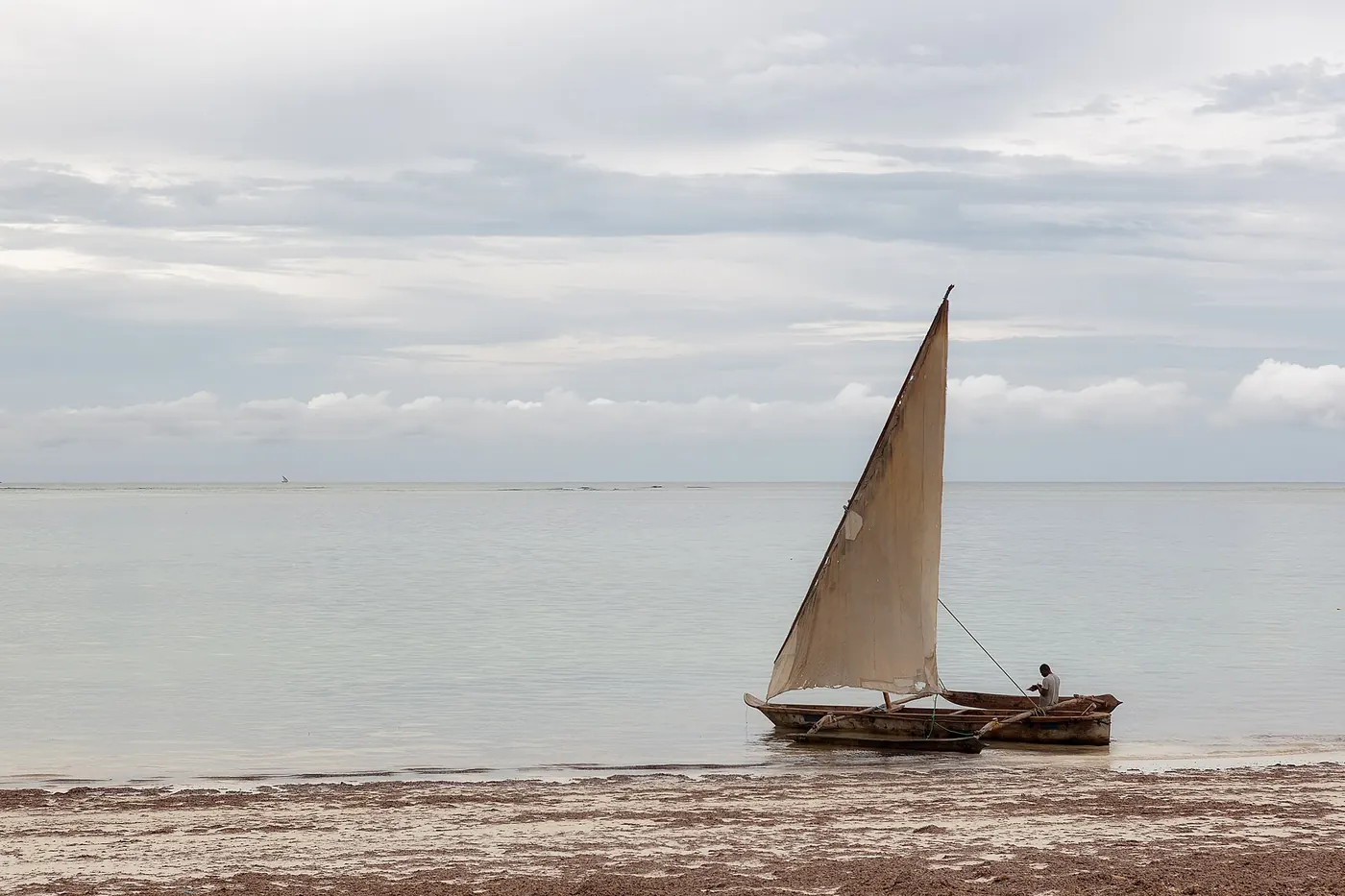
White beaches, coral reefs, dhows under sail and a thousand years of Swahili history, along the Indian Ocean shores of Kenya and Tanzania.
Kenya coastZanzibar & Tanzania coast10 coastal trips
White beaches, coral reefs, dhows under sail and a thousand years of Swahili history, along the Indian Ocean shores of Kenya and Tanzania.
After the dust and early mornings of safari, the coast is where East Africa slows down. But it's far more than a beach: it's a culture, a cuisine and an ocean full of life.
Long white beaches protected by coral reefs, with calm, clear water around 25–29°C all year.
Dolphins, sea turtles, whale sharks, humpback whales in season, and colourful reefs for snorkelling and diving.
UNESCO-listed old towns in Lamu, Mombasa and Zanzibar, with carved doors, spice markets, mosques and forts.
Short flights link the parks to the coast, and Tsavo and Saadani bring the bush right to the beach.
Kenya's coast runs for about 500 kilometres from the Tanzanian border to Somalia. In the south are the classic beaches of Diani; in the middle the historic port of Mombasa and the marine parks of Watamu and Malindi; and in the far north the car-free islands of the Lamu archipelago.
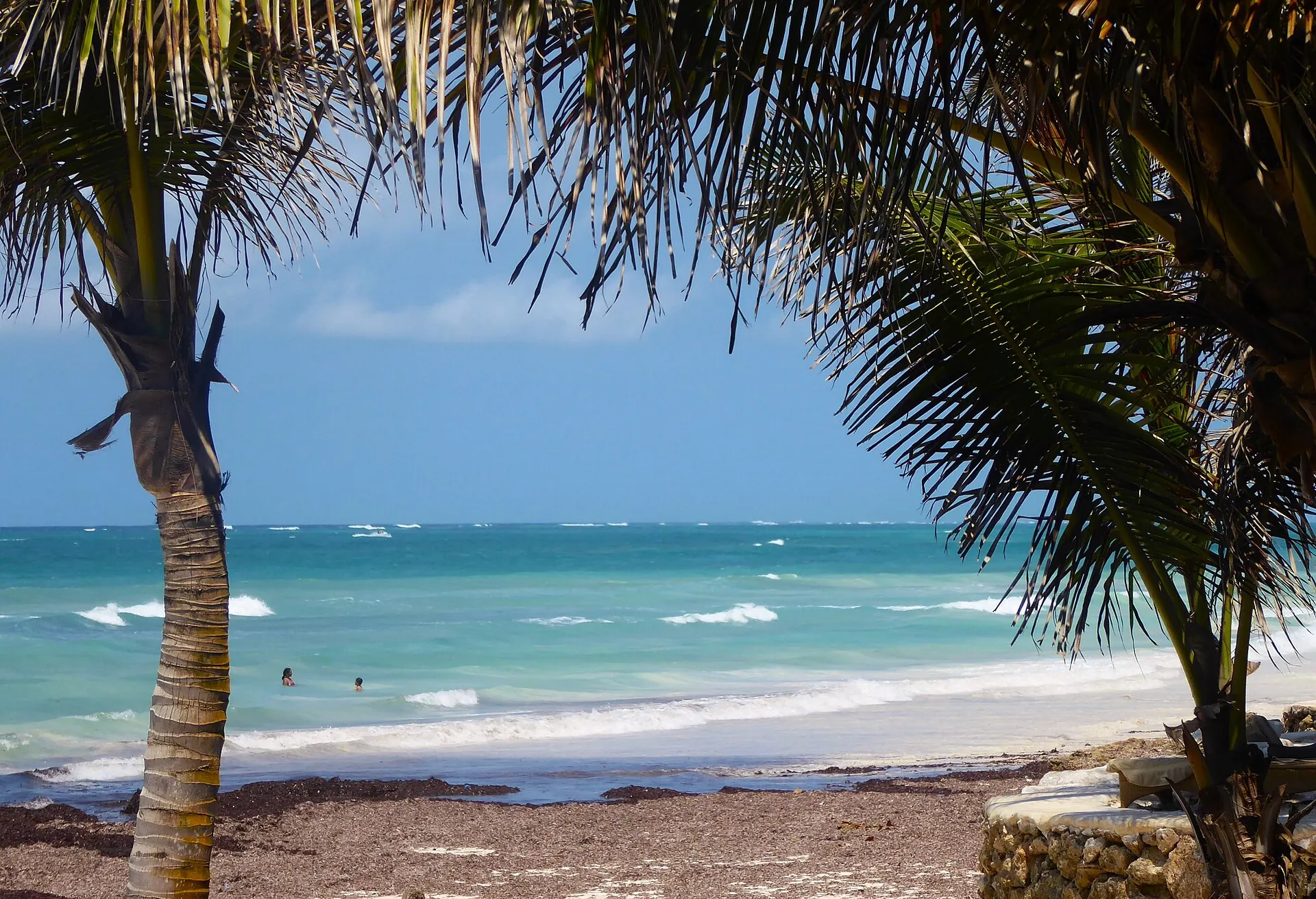
Diani is regularly named one of Africa's best beaches: around 17 kilometres of soft white sand fringed with palms, with a coral reef offshore that keeps the lagoon calm for swimming. Black-and-white colobus monkeys live in the coastal forest beside the hotels.
Further south, dhows sail from Shimoni to Kisite-Mpunguti Marine Park, where dolphins are often seen and the snorkelling is superb. Inland, the green Shimba Hills are home to elephants and the only sable antelope in Kenya.
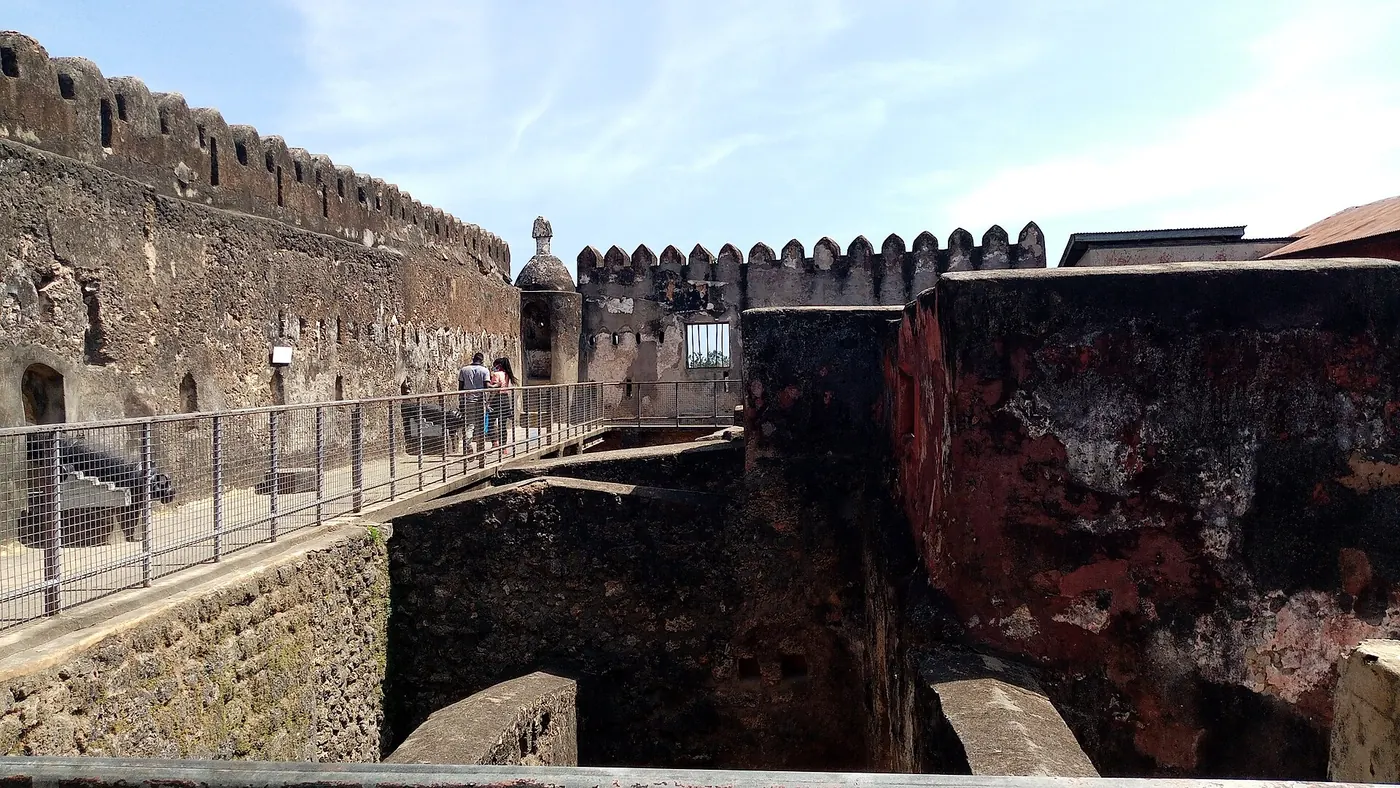
Mombasa is Kenya's second city and one of the oldest trading ports on the Indian Ocean. Its Old Town is a maze of narrow streets, carved balconies and coffee sellers, watched over by Fort Jesus, a Portuguese fortress from the 1590s and a UNESCO World Heritage Site.
It's the gateway to the whole coast: from here it's a short drive south to Diani or north to Watamu, and the Madaraka Express train connects it with Nairobi.
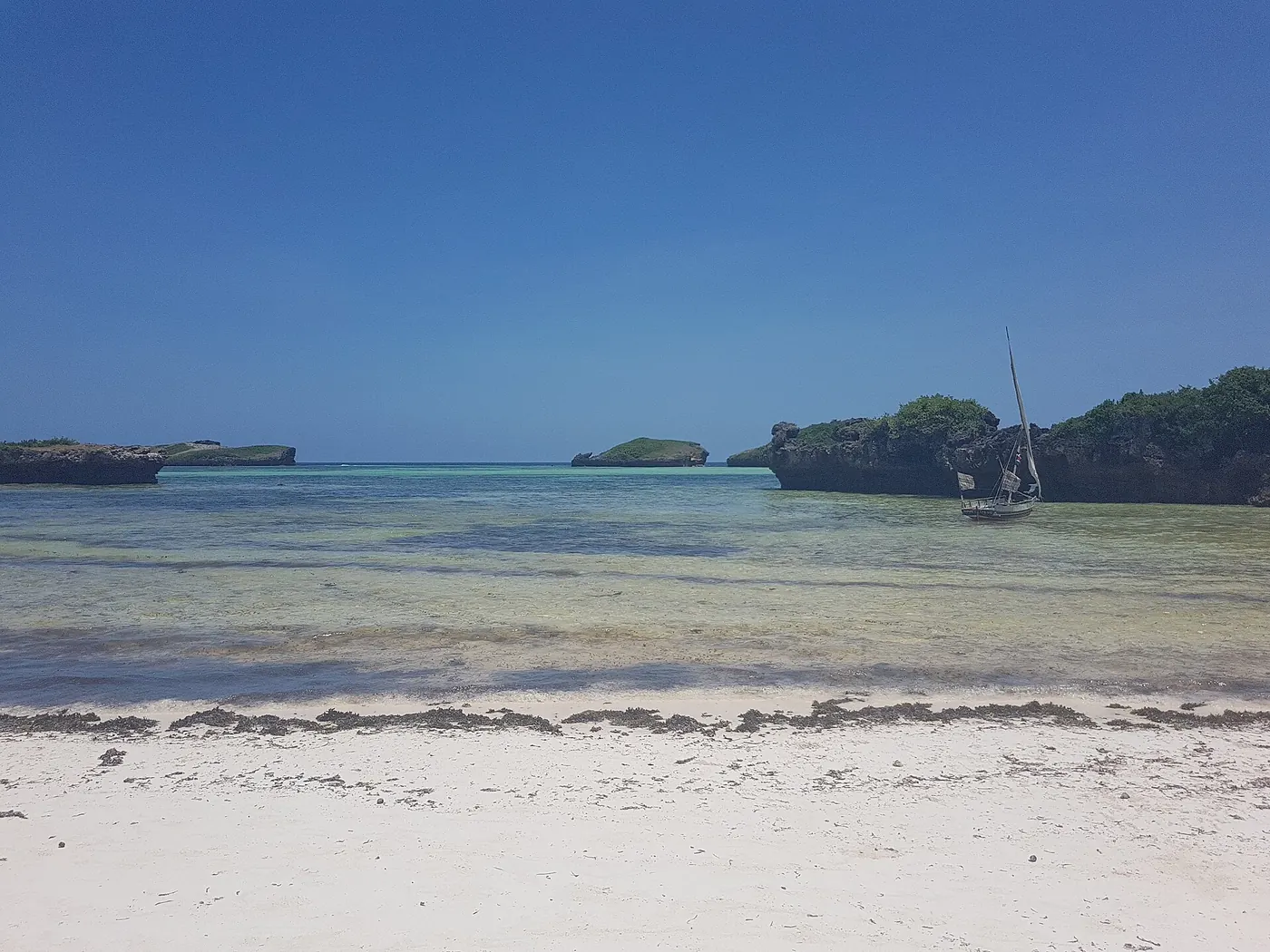
Watamu is a quieter stretch of coast with powder-white coves and one of Kenya's oldest marine parks. Sea turtles nest on its beaches, and a local rescue centre cares for injured turtles. From around July to October, humpback whales pass offshore on their yearly migration.
Nearby are the mysterious ruins of Gede, a Swahili town in the forest, the Arabuko-Sokoke Forest with rare birds, and Mida Creek, a tidal creek famous for sunset walks. Malindi, just to the north, has its own marine park and the Vasco da Gama Pillar from 1498.
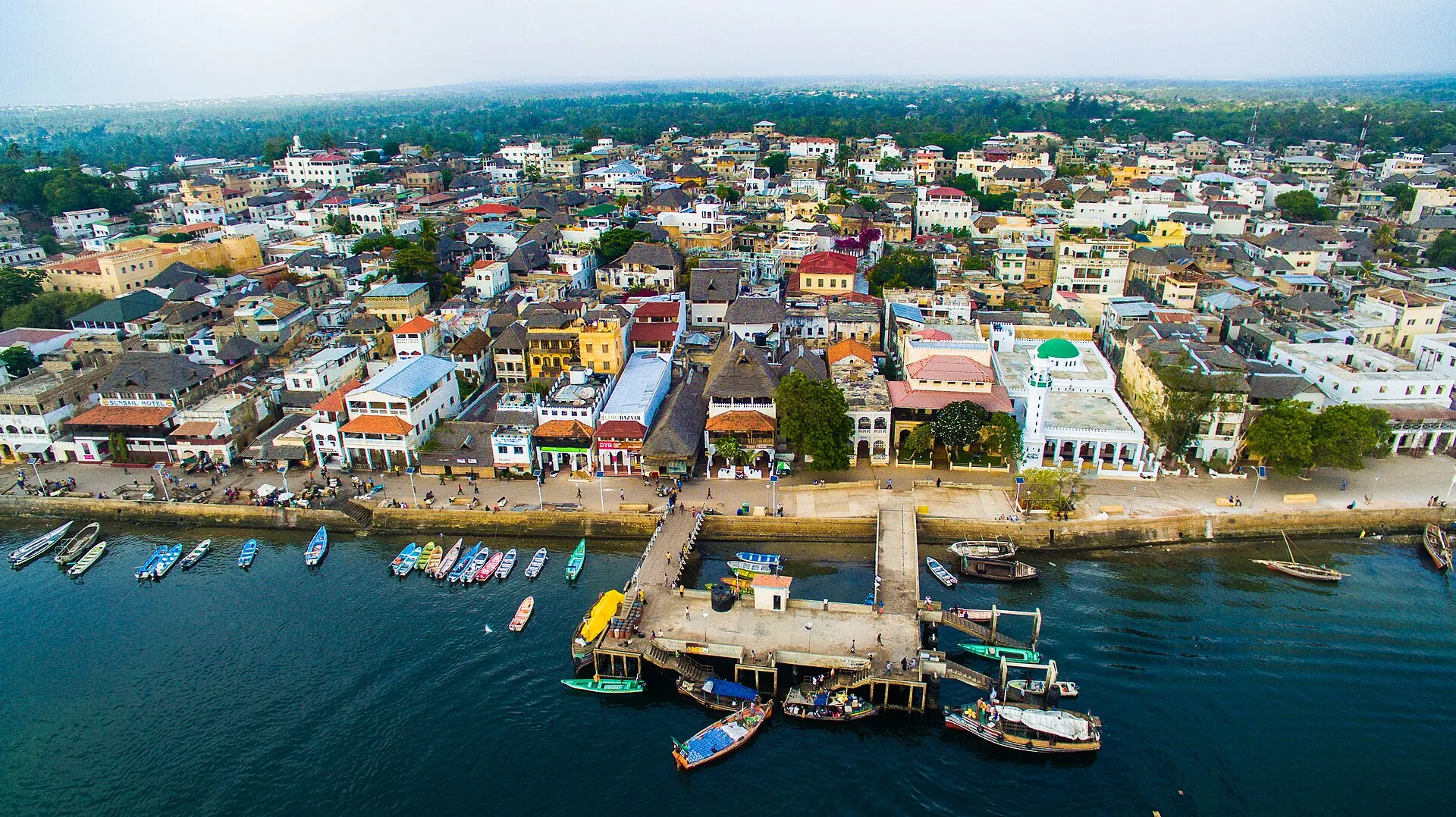
Lamu Old Town is the oldest continuously inhabited Swahili town in East Africa and a UNESCO World Heritage Site. There are almost no cars: people move by donkey, on foot and by dhow, just as they have for centuries.
Stay in a restored Swahili house with a rooftop terrace, walk the long beach and dunes at Shela, and sail to the ruins on Manda Island. Lamu is slow, peaceful and deeply romantic.
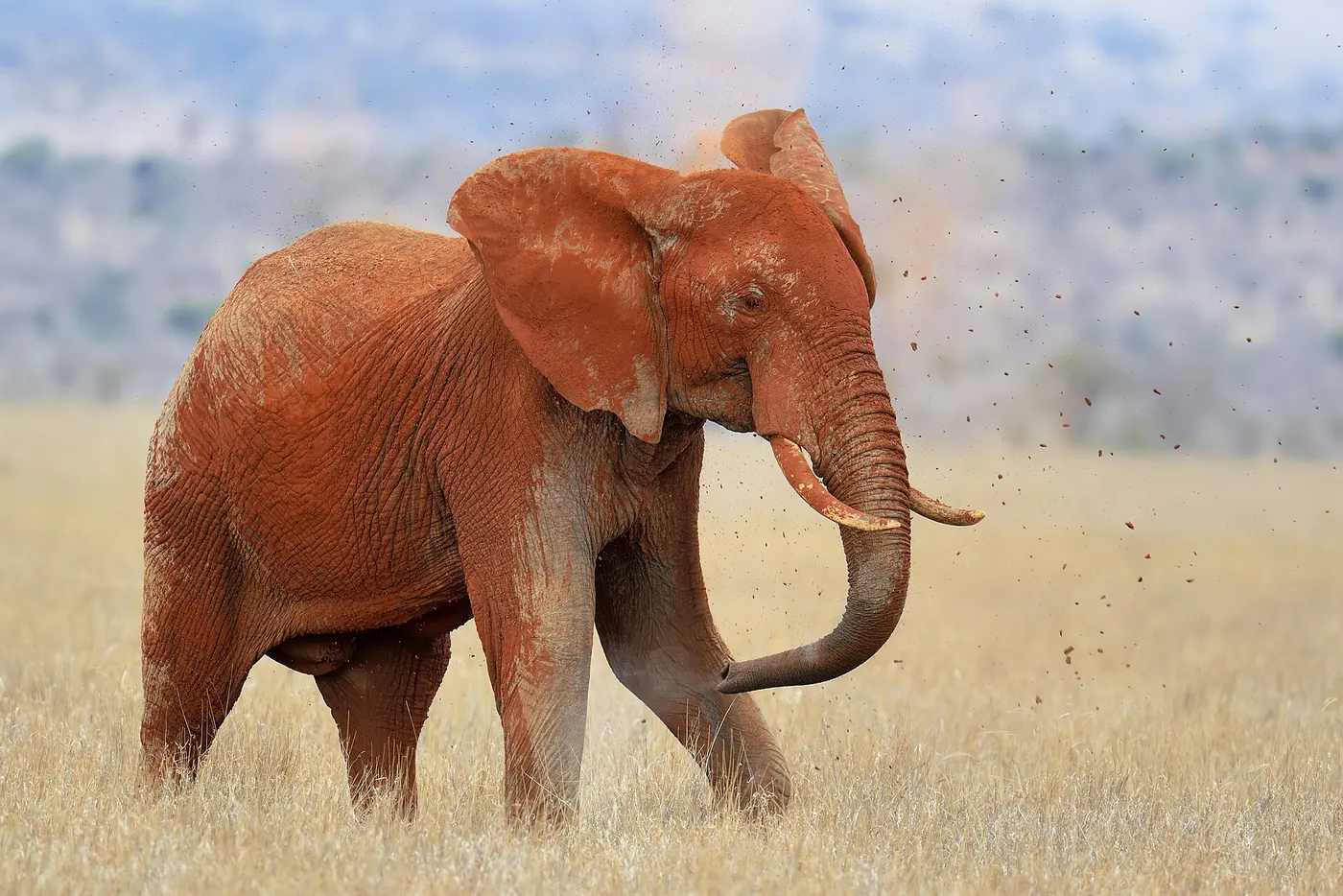
Tsavo East and Tsavo West together form one of the largest protected areas in Africa. Tsavo's elephants are famous for their red colour, from dusting themselves with the area's red earth.
Because Tsavo East is close to the coast, it's the easiest way to add a real safari to a beach holiday, with no domestic flights needed.
Tanzania's coast and islands are wilder and more varied. Zanzibar is the famous spice island; Pemba and Mafia are quieter and wonderful for diving; and on the mainland, Saadani is where wildlife meets the beach, while Kilwa hides some of the most important ruins on the Swahili coast.
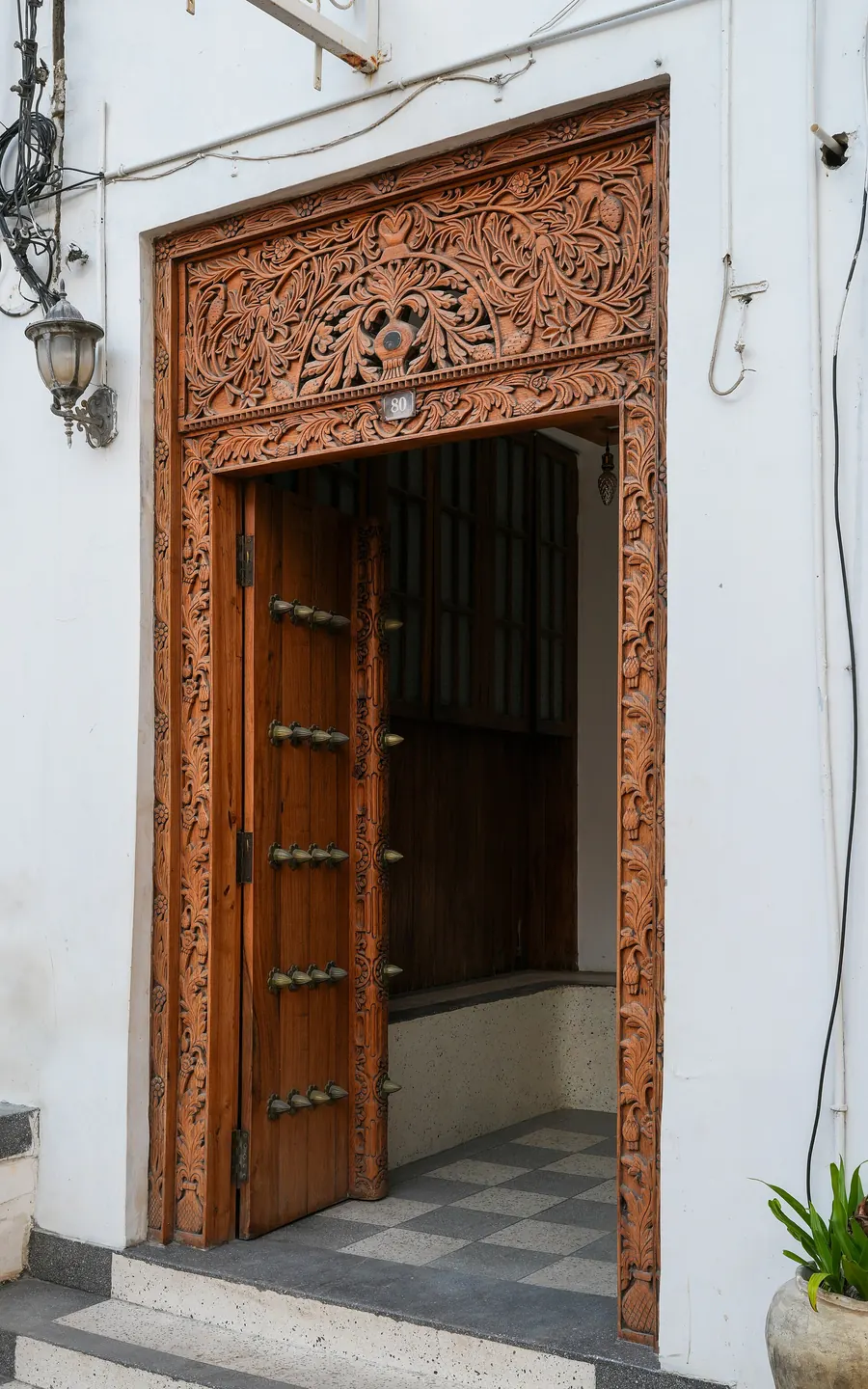
Stone Town, Zanzibar's historic heart, is a UNESCO World Heritage Site where African, Arab, Indian and Persian influences meet. Get lost in its alleys of carved doors and balconies, visit the old fort and markets, and eat at the Forodhani night food market by the sea.
Outside town, spice farms let you taste cloves, cinnamon, vanilla and nutmeg straight from the plant, and Jozani Chwaka Bay National Park protects the Zanzibar red colobus monkey, found nowhere else on Earth.
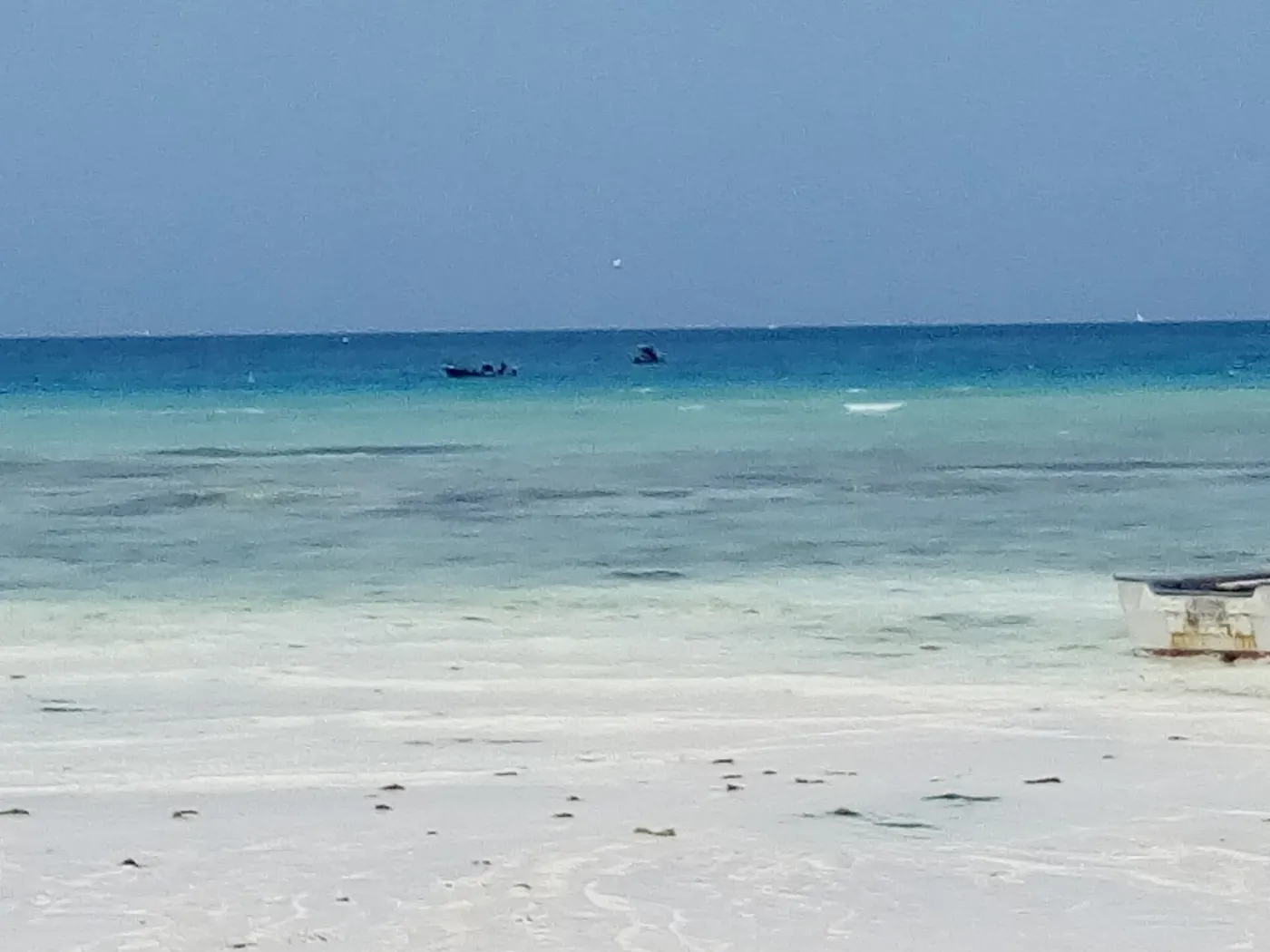
In the north, Nungwi and Kendwa have beaches that stay swimmable at all tides and beautiful sunsets over the sea. Boats leave from here to snorkel the coral around Mnemba Atoll, where turtles and dolphins are often seen.
On the east coast, Paje and Jambiani have wide, white beaches and a large tidal range: at low tide the sea goes far out, revealing seaweed farms and rock pools. With steady winds, Paje is one of Africa's best kitesurfing spots.
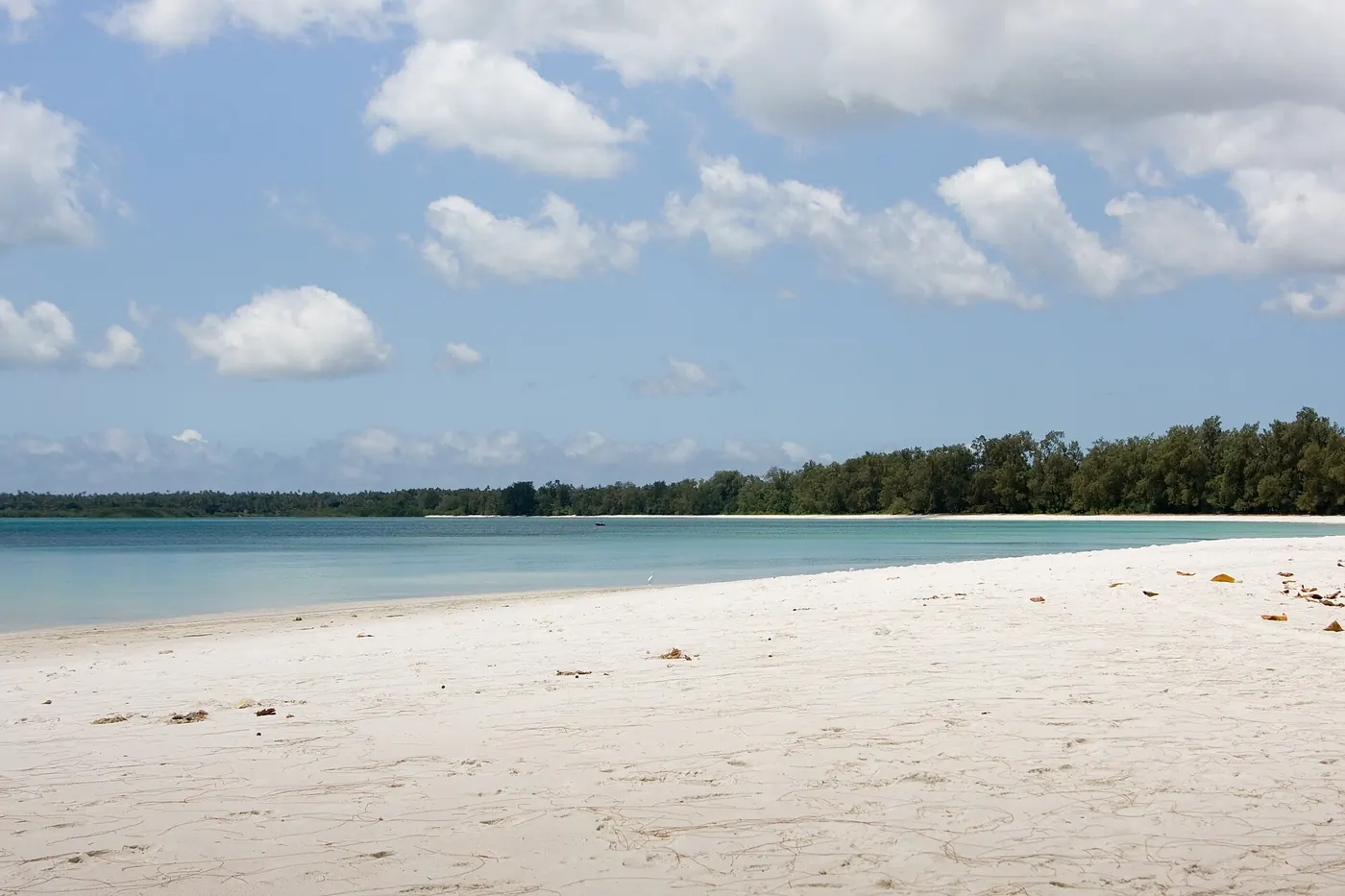
Pemba, Zanzibar's green and hilly northern sister, sees far fewer visitors. It's known for its clove plantations, mangroves and especially for diving, with steep coral walls along the Pemba Channel.
Come here for quiet beaches, real island life and some of the most beautiful, untouched reefs in East Africa.
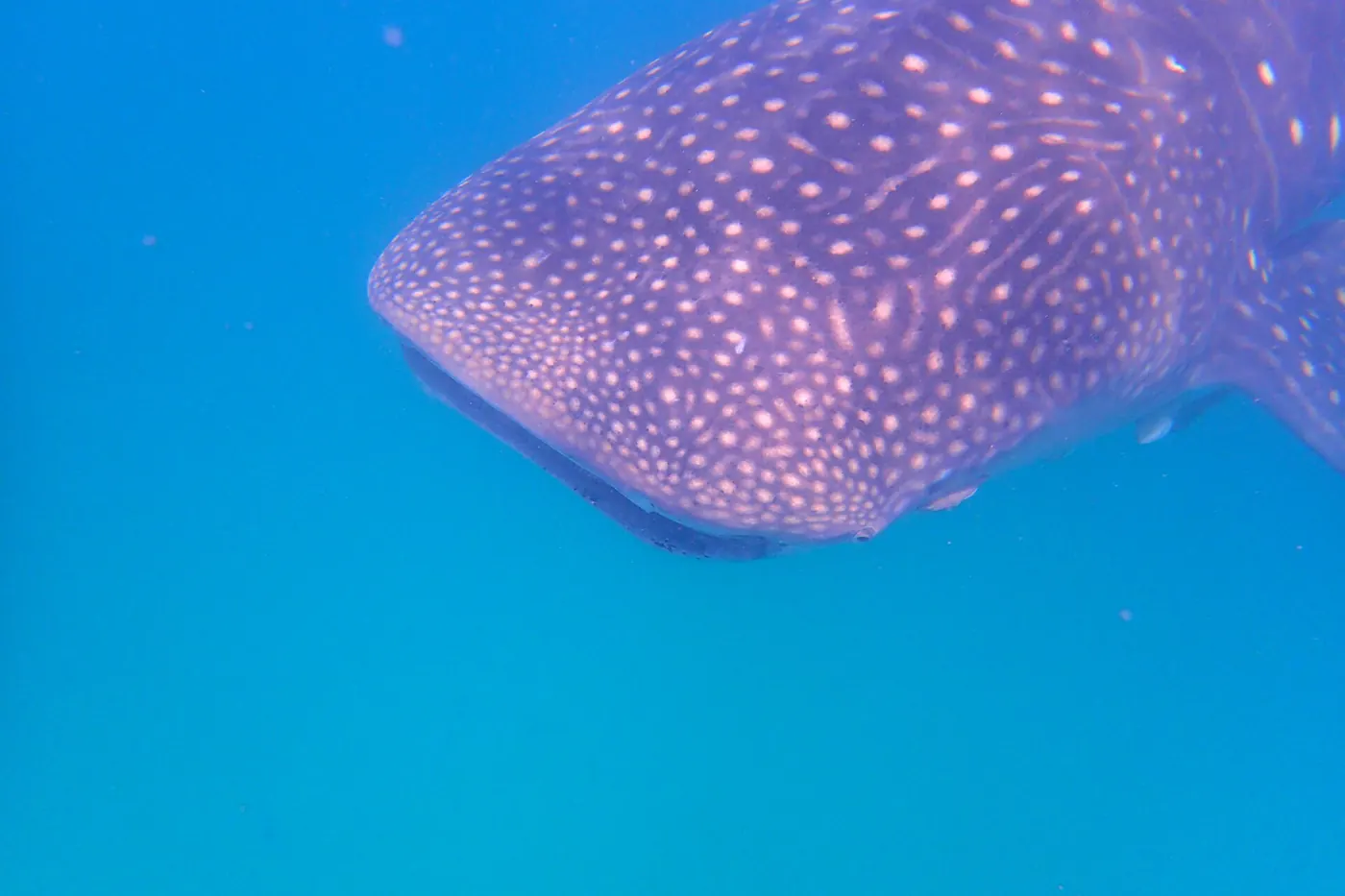
Mafia Island is small, quiet and wonderfully unspoilt. From around October to February, whale sharks, the largest fish in the world, gather in the sheltered bay near Kilindoni, and you can snorkel beside them with licensed local guides.
Mafia Island Marine Park protects coral gardens, sea turtles and countless fish. Across the water, the tiny island of Chole hides old ruins overgrown by baobab trees.
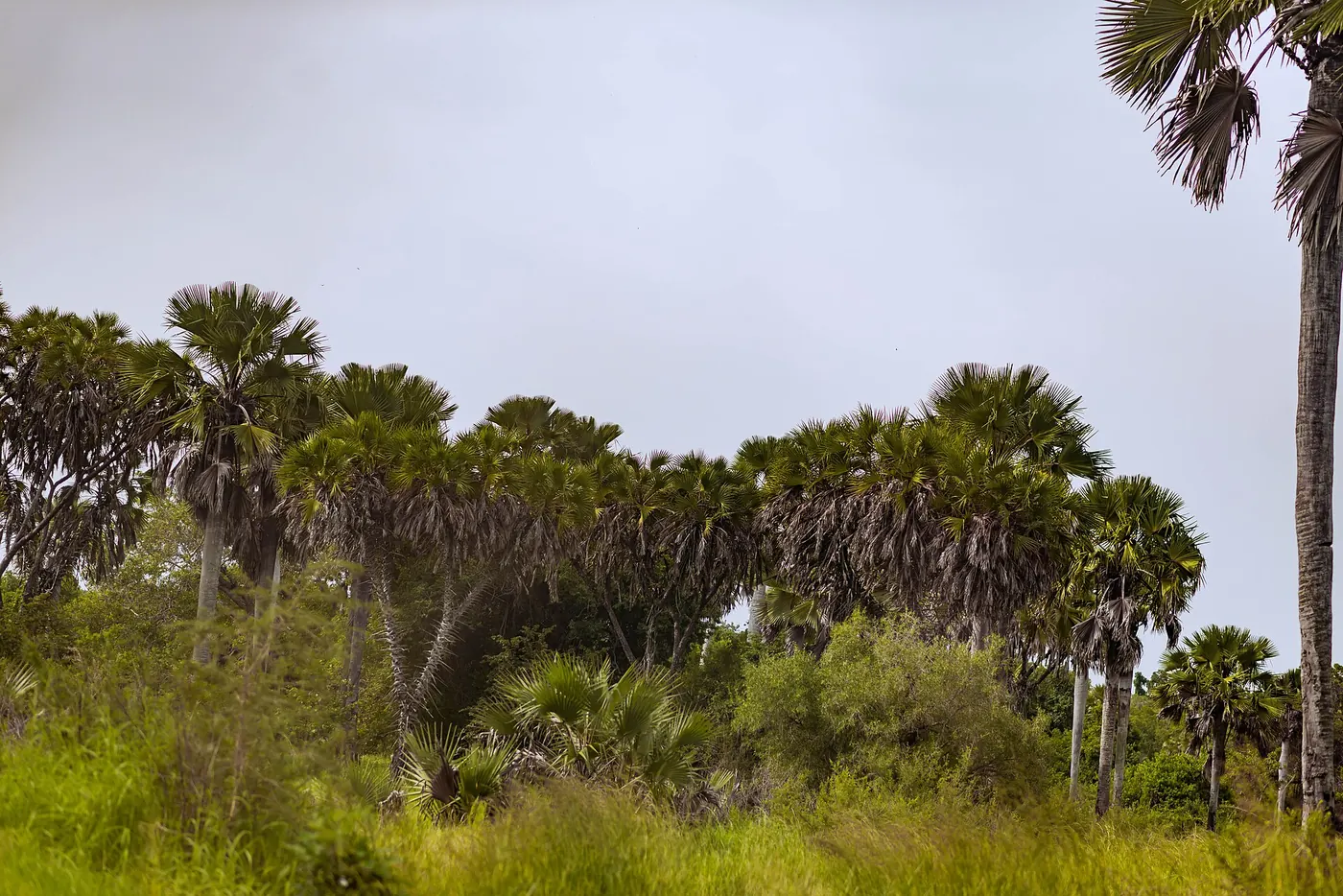
Saadani is Tanzania's only national park on the Indian Ocean. Giraffes, elephants and buffalo live in the bush behind the beach, and boat trips on the Wami River pass hippos, crocodiles and many birds.
It's a small, quiet park, perfect for a relaxed bush-and-beach trip, and easy to combine with Zanzibar.
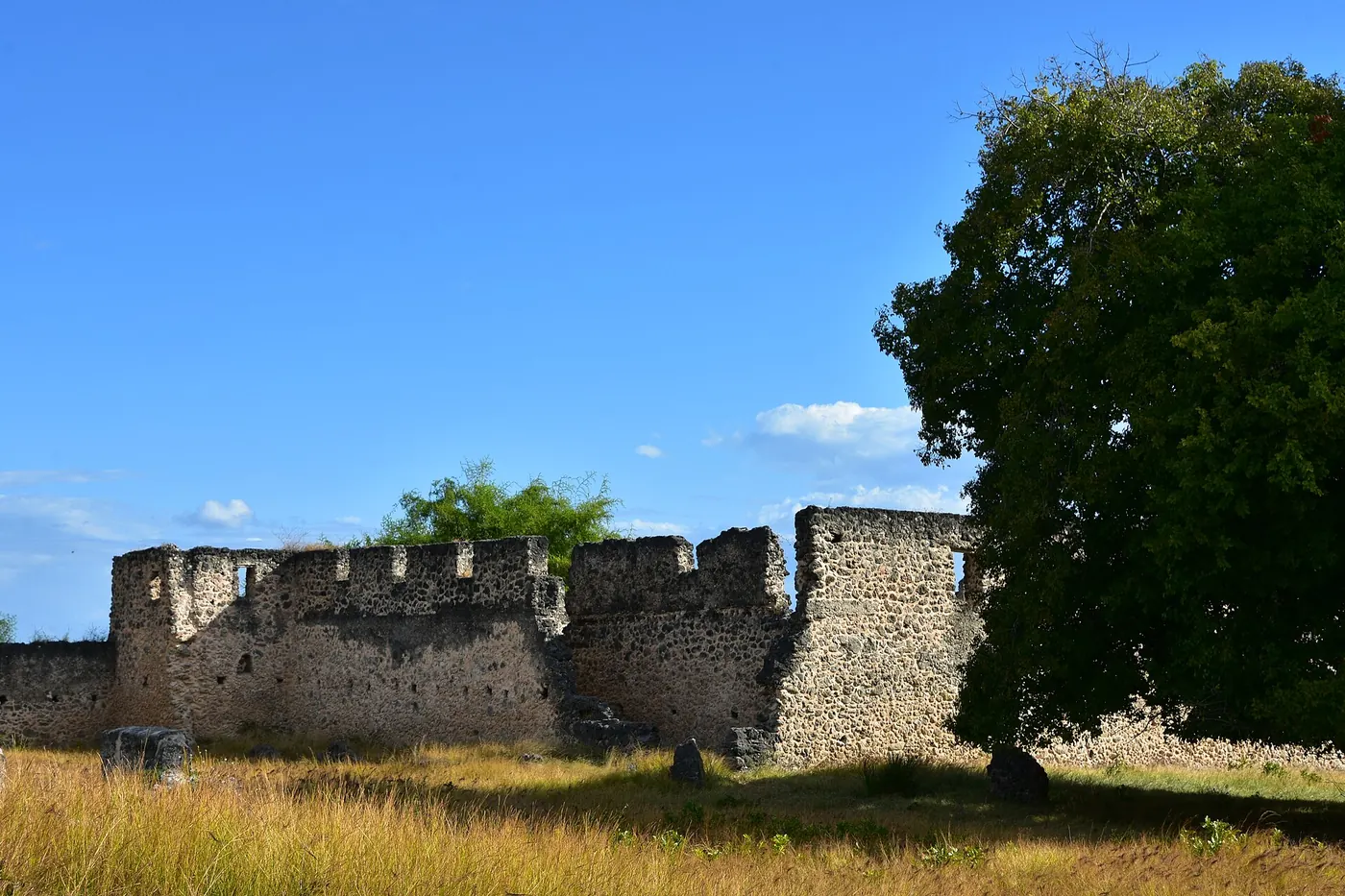
Kilwa Kisiwani was once one of the richest trading cities on the whole coast. Today its ruins, including the Great Mosque and the palace of Husuni Kubwa, are a UNESCO World Heritage Site.
It's remote and rarely visited, an adventure for travellers who love history and want somewhere truly off the beaten path. Ask us to add it to a southern Tanzania journey.
Whether you want to do nothing at all or something new every day, the Indian Ocean has it.
Coral reefs at Kisite, Watamu, Malindi, Mnemba, Pemba and Mafia, with turtles, rays, dolphins and colourful reef fish.
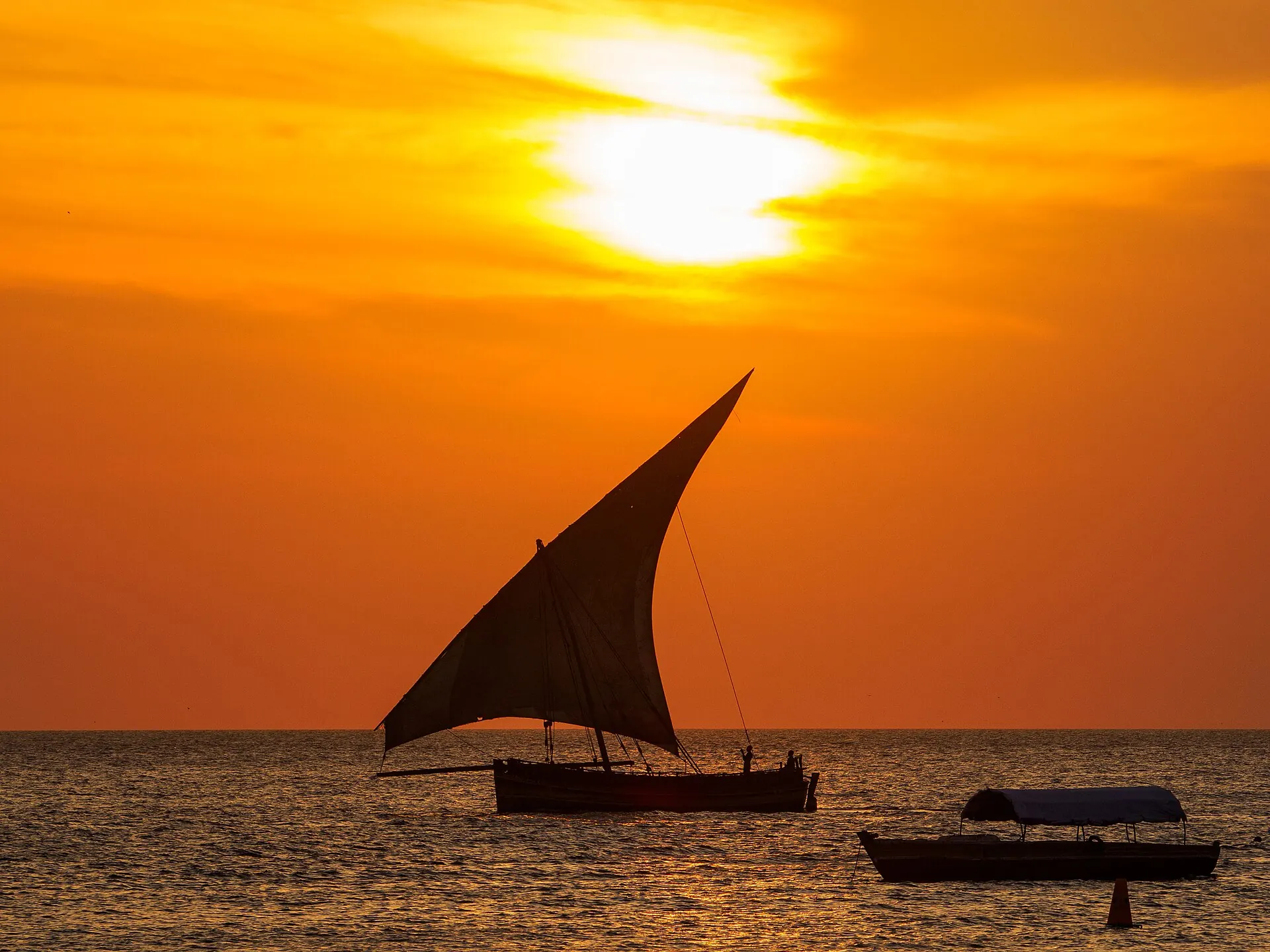
Sail on a traditional wooden dhow at sunset, or spend the day hopping between islands with a seafood lunch.
Swim with whale sharks off Mafia (about October to February) and look for humpback whales passing the coast from about July to October.
Diani and Paje are among the best places in Africa, with steady winds from about December to March and June to September.
Old towns, forts and ruins in Lamu, Mombasa, Gede, Stone Town and Kilwa, plus spice farms and Swahili cooking classes.
Colobus monkeys in Diani and Jozani, rare birds in Arabuko-Sokoke Forest, and safari in Tsavo and Saadani.
The coast is warm all year. The driest, sunniest times are from December to March and from July to October. The long rains fall mainly in April and May, when some smaller hotels close but prices are lowest.
| Month | Conditions | What to expect |
|---|---|---|
| January | Excellent | Hot, sunny and dry. Calm seas, great for snorkelling. Kitesurfing season. |
| February | Excellent | Hot and dry. Peak whale shark season on Mafia. |
| March | Very good | Hot and humid, with the first showers towards the end of the month. |
| April | Rainy | Long rains begin. Fewer visitors and lower prices; some hotels close. |
| May | Wettest | The wettest month. Lush and quiet, with the best deals. |
| June | Good | Rains ending. Fresh breezes arrive and kitesurfing season starts. |
| July | Very good | Dry and pleasantly cooler. Humpback whales start passing the coast. |
| August | Very good | Dry and breezy. A popular time to combine with Migration safaris. |
| September | Very good | Dry and sunny. Good visibility for diving. |
| October | Very good | Warm and dry. Whale shark season starts around Mafia. |
| November | Good | Short rains, usually brief showers. Lamu Cultural Festival time. |
| December | Excellent | Hot, sunny and festive. Book early for Christmas and New Year. |
The coast is the perfect end to a safari. These combinations work especially well, and we can build any of them into your trip.
Fly from the Mara to the coast, or fly back to Nairobi and take the train to Mombasa.
Drive from the parks to the coast and save on flights. Great for families.
Fly directly from the Serengeti airstrips to Zanzibar. Our most popular honeymoon.
Fly from Entebbe to Zanzibar to relax after trekking.
Culture and wildlife together: ideal for photographers and repeat visitors.
The classic reward after summiting Africa's highest mountain.
Every trip is private and can start on any date. Add one to the end of a safari, or join several together for a longer beach journey.
10 days · from $3,450 · Tanzania
4 days · from $690 · Kenya
3 days · from $520 · Kenya
5 days · from $840 · Kenya
4 days · from $980 · Kenya
6 days · from $1,390 · Kenya
5 days · from $890 · Tanzania
4 days · from $1,150 · Tanzania
5 days · from $1,290 · Tanzania
12 days · from $3,650 · Kenya, Tanzania
Both are beautiful. Kenya's coast is easy to combine with Kenyan safaris and offers Diani, Watamu and car-free Lamu. Zanzibar has the famous Stone Town and spice culture and is ideal after a Tanzanian safari. We're happy to help you choose, or combine both.
Yes. Most beaches are protected by coral reefs, so the lagoons are calm. On parts of Zanzibar's east coast the tide goes far out at low tide, so swimming depends on the tide times. Your hotel and guides will advise.
Malaria is present on the coast, so most visitors take antimalarial tablets and use insect repellent in the evenings. Please ask a travel clinic for advice before you travel.
Yes, there are flights between Mombasa or Nairobi and Zanzibar. Our 12-day Grand Swahili Coast journey links Lamu, Watamu, Diani and Zanzibar.
Around Mafia Island, whale sharks are usually present from about October to February. Sightings depend on nature, so we plan trips in peak season.
Very. Calm lagoons, turtles, glass-bottom boats and dolphin trips make it a favourite with children, and Tsavo or Saadani add an easy safari.
Tell us your dates and what you love: beaches, culture, diving or food. We'll send a day-by-day plan and price within 24 hours.