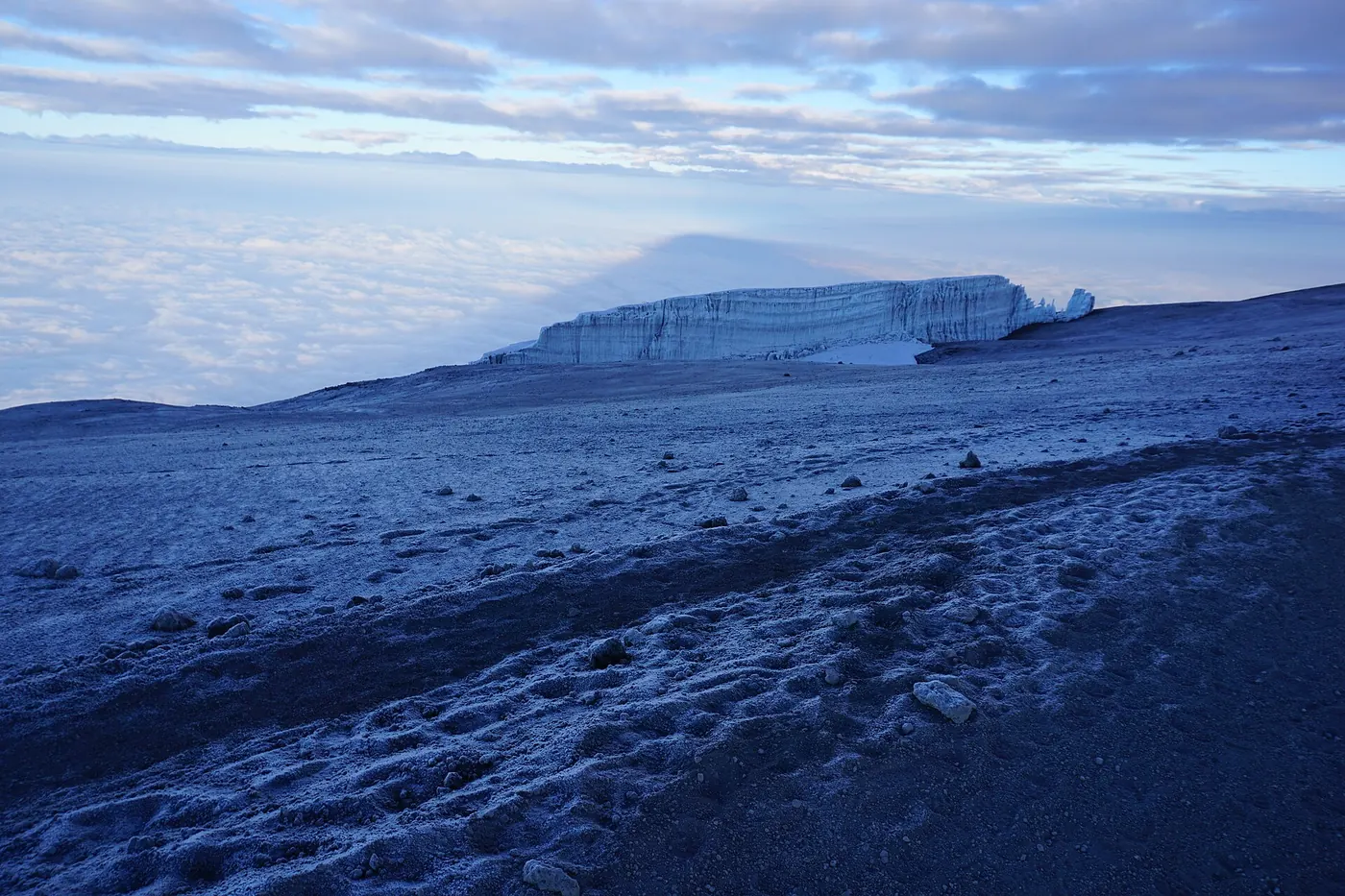
It's just after midnight at Barafu Camp. Your head torch makes a small circle of light on the volcanic gravel, your guide checks your layers one last time, and somewhere above you a slow line of lights is zigzagging up into the dark. Hours later the sky turns orange over the curve of the Earth, the glaciers glow pink, and you're standing on the roof of Africa. Climbing Kilimanjaro is hard, but it's one of the few great mountains that ordinary, well-prepared people can summit without technical climbing skills.
If you're thinking about it, the Machame Route is one of the most popular ways up. Here's what you need to know.
Why the Machame Route?
Kilimanjaro has several official routes. Machame, often nicknamed the "Whiskey Route", is loved for two reasons:
- Scenery. It climbs through rainforest, heath and moorland, crosses the Shira Plateau and passes below the dramatic southern glaciers. The landscape changes almost every day.
- Acclimatisation. The route follows the principle of "climb high, sleep low". On the day you walk up to Lava Tower and back down to Barranco, your body gets a valuable taste of altitude before you sleep lower again.
It is steeper and more demanding than some alternatives, but over enough days it gives a good balance between challenge and success.
The route, day by day
On our climb you spend eight days in Tanzania, including arrival and the descent:
- Arrive in Moshi. Meet your guide, check your kit and rest.
- Machame Gate to Machame Camp. A long, steady walk through humid rainforest, often with colobus monkeys in the trees.
- To Shira Camp. You leave the forest behind and climb onto open moorland with wide views.
- Lava Tower to Barranco. The key acclimatisation day: up to Lava Tower, then down into the Barranco Valley with its strange giant groundsels.
- Barranco Wall to Karanga. A morning scramble up the Barranco Wall. It looks intimidating but uses hands and feet, not ropes.
- To Barafu Camp. A shorter day to base camp. Early dinner and early bed.
- Uhuru Peak. You start around midnight, reach Stella Point on the crater rim near sunrise and continue to Uhuru Peak, 5,895 metres. Then a long descent.
- Descend and celebrate. Down through the forest to the gate, certificates and a well-earned celebration in Moshi.
Altitude: the real challenge
The biggest factor on Kilimanjaro isn't fitness, it's altitude. Almost everyone feels it to some degree: headaches, poor appetite, tiredness or broken sleep are common. The golden rule on the mountain is pole pole, Swahili for "slowly, slowly".
What helps:
- walking much slower than feels necessary, especially in the first days
- drinking plenty of water and eating even when you're not hungry
- being honest with your guide about how you feel
- choosing a route with enough days, rather than rushing
Our guides monitor every climber daily. If symptoms become serious, the right treatment is to descend, and your guide will make that call for your safety. Speak to a travel doctor before you go, especially about altitude medication and any existing health conditions.
How fit do you need to be?
You don't need to be an athlete, but you should be comfortable walking for six to eight hours on consecutive days. In the months before your climb:
- go on regular long hikes, ideally on hills and with a loaded daypack
- add stair climbing, cycling or swimming for stamina
- break in your boots properly well before you leave
Mental strength matters as much as legs. Summit night is long, cold and slow.
When to climb
Kilimanjaro can be climbed all year, but the most popular periods are the drier months, roughly January to early March and June to October. April and May are usually the wettest months, and November often brings short rains. The summit is cold at any time of year, so plan for freezing temperatures on the final night whenever you go.
What to pack
Your porters carry the main bag; you carry a daypack with what you need during the day. Essentials include:
- broken-in waterproof hiking boots and good socks
- thermal base layers, a fleece and a warm insulated jacket
- a waterproof jacket and trousers
- warm gloves, a beanie and a sun hat
- a four-season sleeping bag
- trekking poles, a head torch with spare batteries
- sunglasses, high-factor sunscreen and lip balm
- water bottles or a hydration bladder
We'll send a full kit list when you book, and some items can be hired in Moshi.
Climbing responsibly
Kilimanjaro climbs depend on a team of guides, porters and a cook. Choose an operator that treats its mountain crews fairly, with proper equipment, fair loads and decent pay. Carry out everything you bring in, and follow the park's rules on the mountain.
After the summit
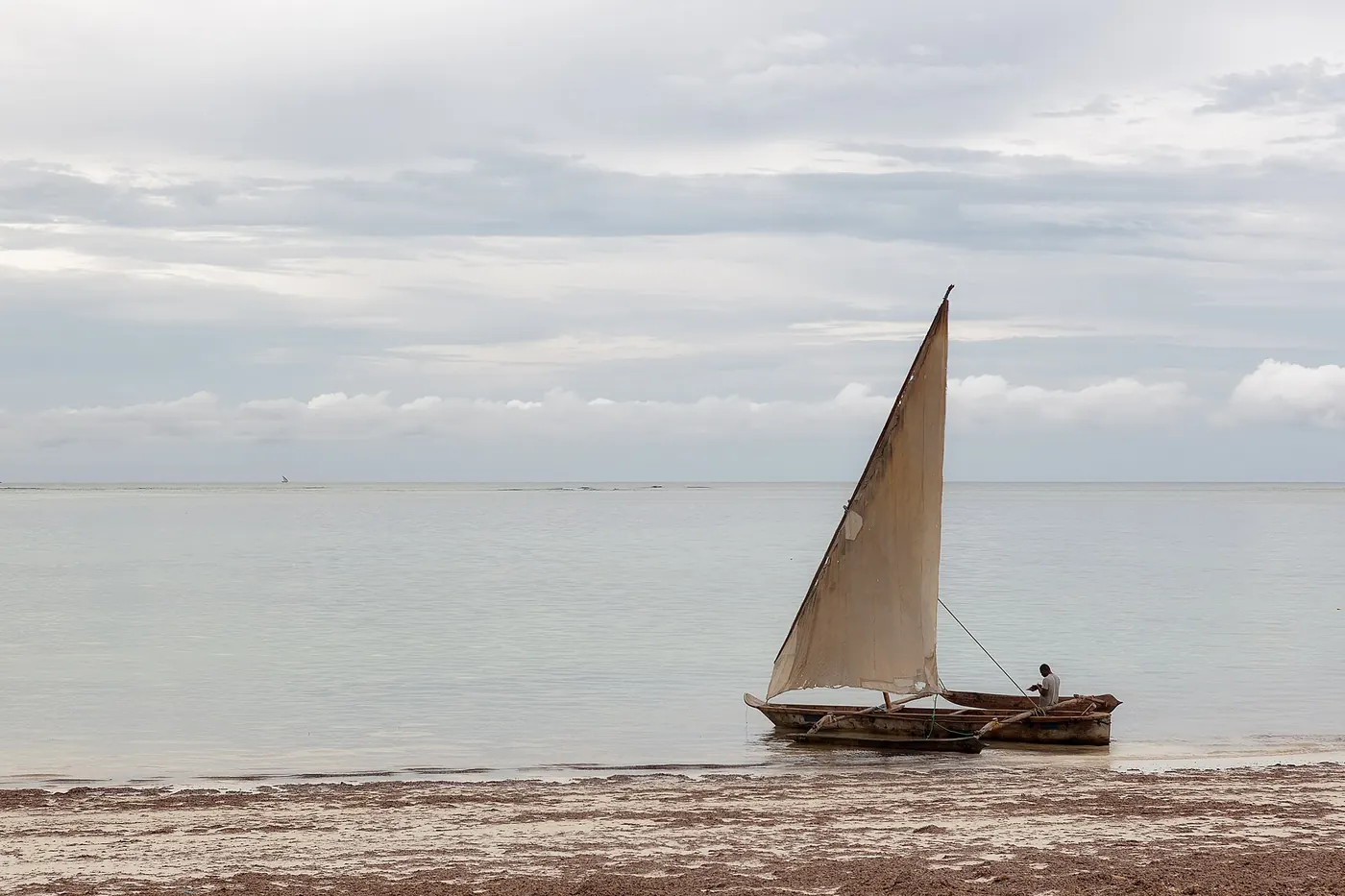
Many climbers reward themselves with a safari or a beach. From Moshi it's easy to continue to the Serengeti and the Ngorongoro Crater, or to fly to Zanzibar to rest your legs on the sand.
Plan your climb with Afritrek
Our Kilimanjaro Climb, Machame Route runs over 8 days, from USD 2,550 per person, with experienced mountain guides, porters and a cook. If you'd like to add wildlife and the Indian Ocean afterwards, our Serengeti to Zanzibar journey (10 days, from USD 3,450 per person) is a natural pairing. We'll confirm current park fees when we put your quote together.
Email info@afritrektropicalsafaris.com or message us on WhatsApp at +254 184 722 966, and we'll help you choose your dates and prepare for the climb of a lifetime.